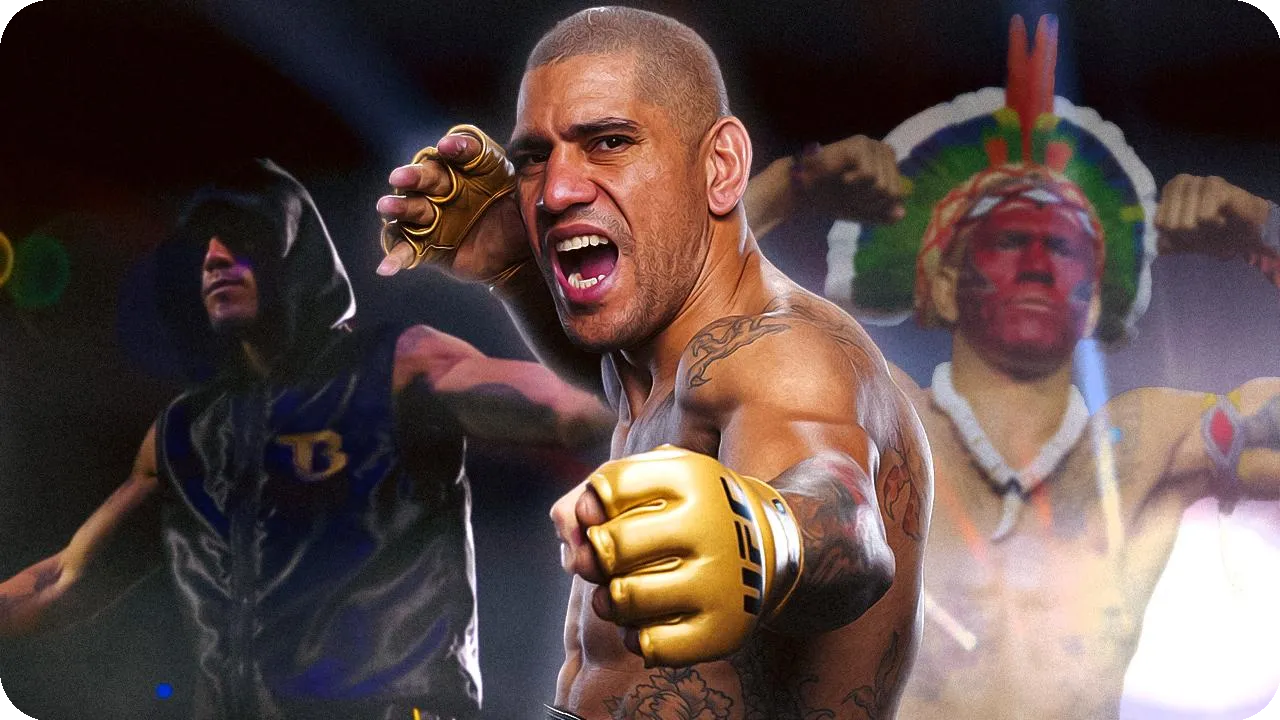
Alex Pereira — Life Story of the UFC Legend
Early Life
Childhood in São Bernardo do Campo, Brazil
Alex Pereira was born in São Bernardo do Campo, a working-class city in the state of São Paulo where industrial noise and football chatter mingle on every corner. From the start, life was basic and demanding. His family didn’t have much money, and childhood wasn’t packed with structured sports programs or shiny facilities. The young alex pereira learned quickly that progress came from showing up and grinding, not from waiting for perfect conditions. He kicked a ball, shadowboxed on sidewalks, and copied the movements of action heroes on TV. The rhythm of the neighborhood—construction sites, street markets, crowded buses—taught him focus amid distraction and pride amid scarcity.
Even before he stepped in a gym, Alex had a knack for reading people and moments. He knew when to stay quiet, when to step forward, and when to push back. That instinct—so crucial in fighting—grew out of daily life, where timing and toughness decide whether you get a second chance. Those street-forged reflexes would later turn into the calm patience we see when he stalks an opponent, step by step, without wasting a breath.
Indigenous Roots and Personal Challenges
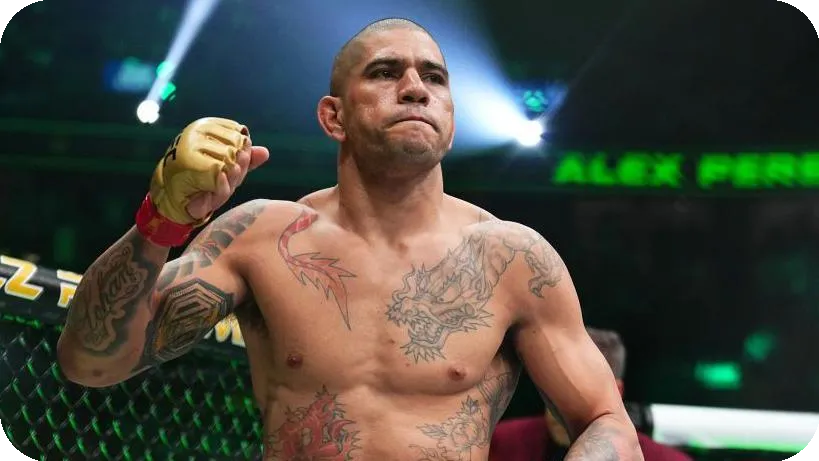
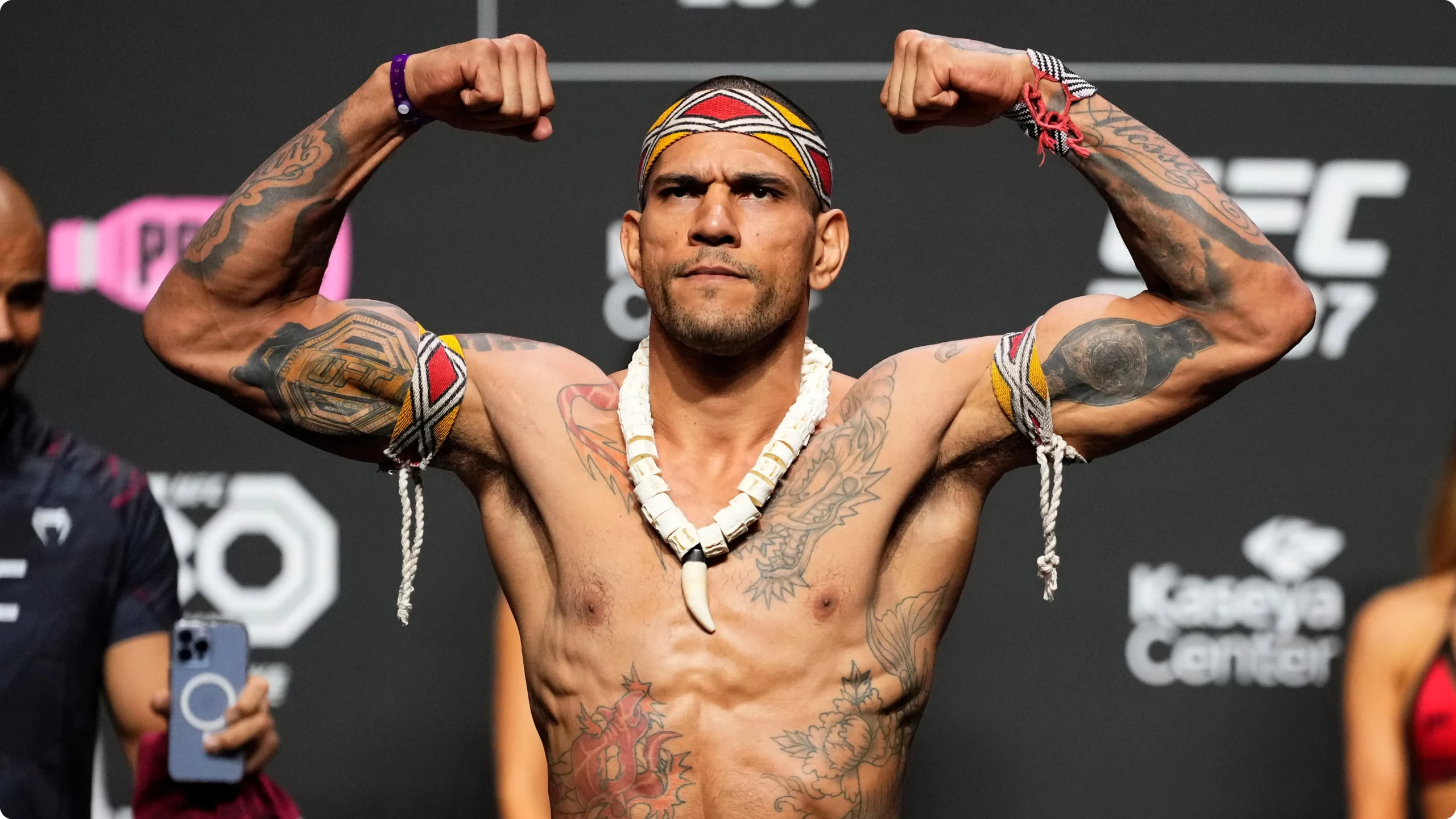
Pereira’s story is inseparable from his Indigenous Pataxó heritage. It gave him a sense of belonging that transcended sport, a living tradition that influenced how he carries himself. He often speaks with respect about his roots, emphasizing community, discipline, and a measured way of seeing the world. When journalists poke at the topic of alex pereira religion, he doesn’t present a neatly labeled affiliation; instead, he speaks to spiritual practice as a personal, lived experience—honoring ancestry, observing rituals, and finding strength in a heritage that grounds him. That quiet dignity is visible in fight week pressers and in the way he celebrates wins without chaos.
Yet those roots didn’t spare him from struggle. As a teenager and young adult, alcohol crept into his life and nearly derailed everything. The future “Poatan” (a nickname meaning “stone hands” in the Tupi language) had to confront himself. That fight, long before stadiums and title belts, proved the most important. He chose a different path and built new routines around training, diet, and purpose. What came next would reshape kickboxing and then MMA.
Leaving School and Starting to Work
Money pushed him out of school early. He worked in a tire shop and took odd jobs—anything to help the family and keep a little aside for training. Those early shifts taught him how to suffer productively. If you’ve watched him march forward behind a high guard, absorb a shot without panic, and answer with a thudding counter, you’ve seen the same mindset: discomfort is acceptable; quitting isn’t. The transition from labor to combat sports wasn’t glamorous. It happened in small steps—bus rides to modest gyms, taped knuckles, and the smell of leather and disinfectant. He didn’t just dream; he built a new identity one round at a time.
Path to Kickboxing
Inspiration to Start Training
Pereira’s spark came from seeing what combat sports could provide: a structured outlet for aggression and a clear scoreboard for progress. He’d long admired fighters who combined poise with power. Watching them, he discovered a craft where toughness alone wasn’t enough; technique and timing ruled. That balance appealed to him. He also recognized that in kickboxing, a disciplined striker could impose order with precision. If he could learn to control distance and punish mistakes, he’d have a path out of the cycle of odd jobs and uncertain prospects.
First Steps in Kickboxing Gyms
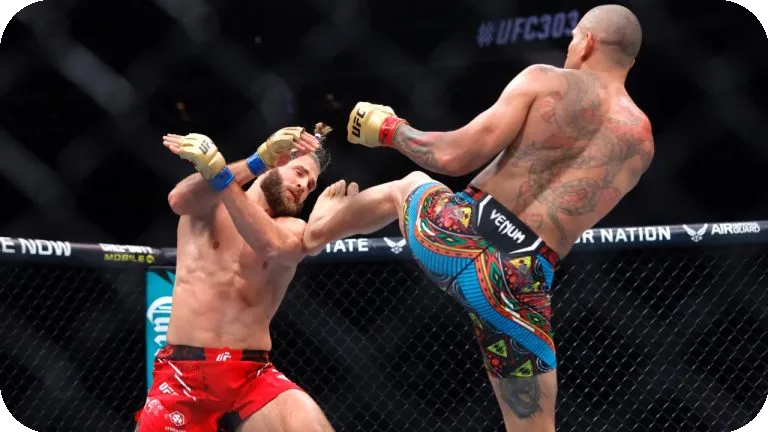
Those first gym sessions reshaped his life. Trainers noticed the heavy hands instantly, but what impressed them more was how fast he absorbed instruction. He learned to feint without telegraphing, to check kicks properly, and to turn his hips through the target. The bag seemed to echo differently when he hit it—low kicks that thumped, straight rights that snapped. He sparred bigger men early on, not out of bravado but because that’s who showed up. Pressure never scared him. Instead, he welcomed the chance to solve problems in real time: change angles, dig to the body, return to the jab.
Even then, long before the belt talk, Pereira was careful about routine. He set boundaries with his old life, replacing empty nights with early mornings and sparring rounds. The old temptations didn’t disappear, but he learned to outwork them.
Entry into Professional Kickboxing
The move to pro kickboxing felt like a natural graduation. Under bright lights, Pereira carried the same composure from the gym. He didn’t sprint recklessly; he walked opponents into traps. He fainted level changes, forced overreactions, and then punished the openings. The low kick, already a weapon, became a signature. Opponents started checking more, which opened the head. Pereira didn’t need flurries; he needed moments—one clean shot to tilt the fight. The ledger began to grow: wins, finishes, and a reputation for icy patience that set him apart from volume-based brawlers.
Rise in Glory Kickboxing
Major Victories and Titles
GLORY was the stage that put Pereira on the global map. Against elite strikers, he showcased a complete game: feints, counters, multi-level attacks, and ring generalship. He won significant fights and collected belts, proving that his power wasn’t a regional rumor—it traveled. On combinations, he blended boxing mechanics with kickboxing variety, punctuating sequences with calf kicks that crippled movement late. He handled pressure fighters by pivoting off the line and countering, and he disrupted slick technicians by imposing pace and landing the heavier moments.
Notable Rivalries and Rematches
In GLORY, rivalries are crucibles. Pereira stepped into rematches with zero emotional leakage, treating them like chess games with updated software. He studied what went wrong—or almost went wrong—and adjusted. Maybe he added a counter knee to intercept level changes, or he front-teeped the midline to keep a kicker honest. Rematches confirmed what insiders already suspected: he’s a problem solver. He rarely makes the same mistake twice. Those rivalries sharpened his tactical patience and his faith in a plan. Pressure never pushed him into low-percentage brawls; it funneled him toward clearer choices.
Becoming Glory Middleweight and Light Heavyweight Champion
The leap from middleweight to light heavyweight in GLORY underlined Pereira’s rare blend of speed and concussive force. Many fighters slow up the ladder; Pereira maintained crisp entries and carried his power north. He became a two-division champion in kickboxing, a feat that foreshadowed his later achievements in the UFC. That dual-belt résumé anchored his reputation: a big-fight striker who thrives when the stakes increase.
Transition to MMA
Motivation Behind Switching to MMA
Why leave a dominant perch in kickboxing? Pereira wanted new puzzles. MMA offered different looks—takedowns, clinch wrestling, ground-and-pound, elbows on breaks. It also offered a broader narrative canvas. He could test himself against wrestlers, grapplers, and hybrid strikers. The switch wasn’t a vanity project. He surrounded himself with teachers who could fill gaps and with teammates who could pressure him in the ugly spots: fence wrestling, underhooks, cage exits, and bottom escapes. The goal wasn’t to become a jiu-jitsu magician overnight; it was to become a kickboxer who could keep the fight where he is most dangerous.
Early MMA Fights and Setbacks
The beginning wasn’t perfect. Every serious MMA story includes turbulence, and Pereira’s is no different. Early on, he dealt with unfamiliar rhythms—fighters who changed levels after feints, opponents happy to stall on the fence. He learned to pummel for inside control, to frame properly, and to punish entries with knees and uppercuts. That learning curve included a hard lesson in Brazil, where he dropped a fight early in his mixed-martial-arts journey. For fans searching “who did alex pereira lose to,” the MMA ledger clearly features Quemuel Ottoni in his debut and, later, Israel Adesanya in a UFC title rematch. Instead of scarring him, those results refined him. He adjusted his defensive tall posture, moved his head earlier in exchanges, and doubled down on range discipline.
UFC Debut and Rapid Rise
By the time he made his way to the alex pereira ufc spotlight, the striking was already championship-grade. The question was whether he could deploy it under MMA’s chaotic variables. He answered that question fast. The UFC debut showed the blueprint: deny prolonged grappling, stand him up if grounded, and when the openings appear, make them count. He fought like a man who knew he belonged. Fans quickly started tracking the alex pereira ufc record, noting how often the end came from surgical violence rather than volume wars.
UFC Success Story
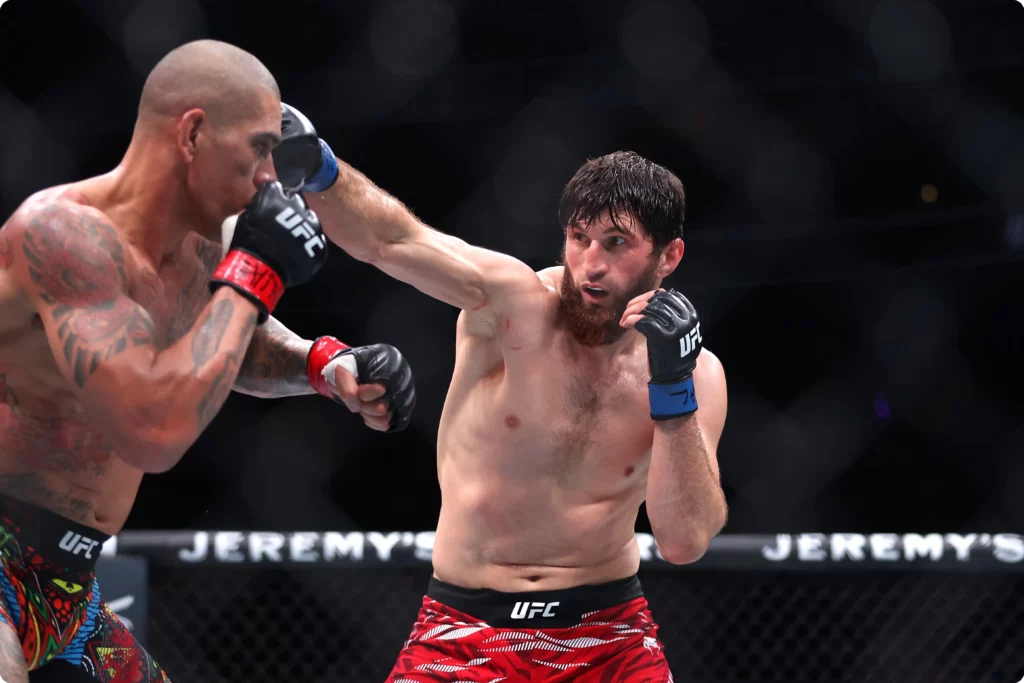
Defeating Israel Adesanya for the Middleweight Belt
The first UFC title breakthrough arrived against a familiar dance partner. Pereira had shared rings and cages with Israel Adesanya in different sports, and their meeting for UFC gold amplified the rivalry. Facing one of the craftiest strikers in MMA history, Pereira stayed patient. He pressured behind his jab, chipped the legs, and cut the cage. In late moments when champions either gamble or fade, he gambled with calculation and found the finish. That win didn’t just crown him; it validated a style many doubted could reach the summit so quickly. It also forced the world to reevaluate the ceiling for elite cross-discipline strikers.
Title Loss and Move to Light Heavyweight
Championship reigns are measured not just by wins but by responses to losses. Pereira’s rematch with Adesanya ended in defeat, and it stung. Instead of clinging to the past, he moved up—literally. Light heavyweight offered powerful punchers, longer frames, and fresh puzzles. The move also suited his natural size. For those tracking alex pereira height, he stands around 6’4″ (193 cm), with a long reach and torso that filled into 205 pounds comfortably. The step up let him focus more on performance and less on harsh weight cuts. And at 205, his power—already frightening—translated seamlessly. The result: a renewed hunt, now at a weight class tailor-made for his frame and mechanics.
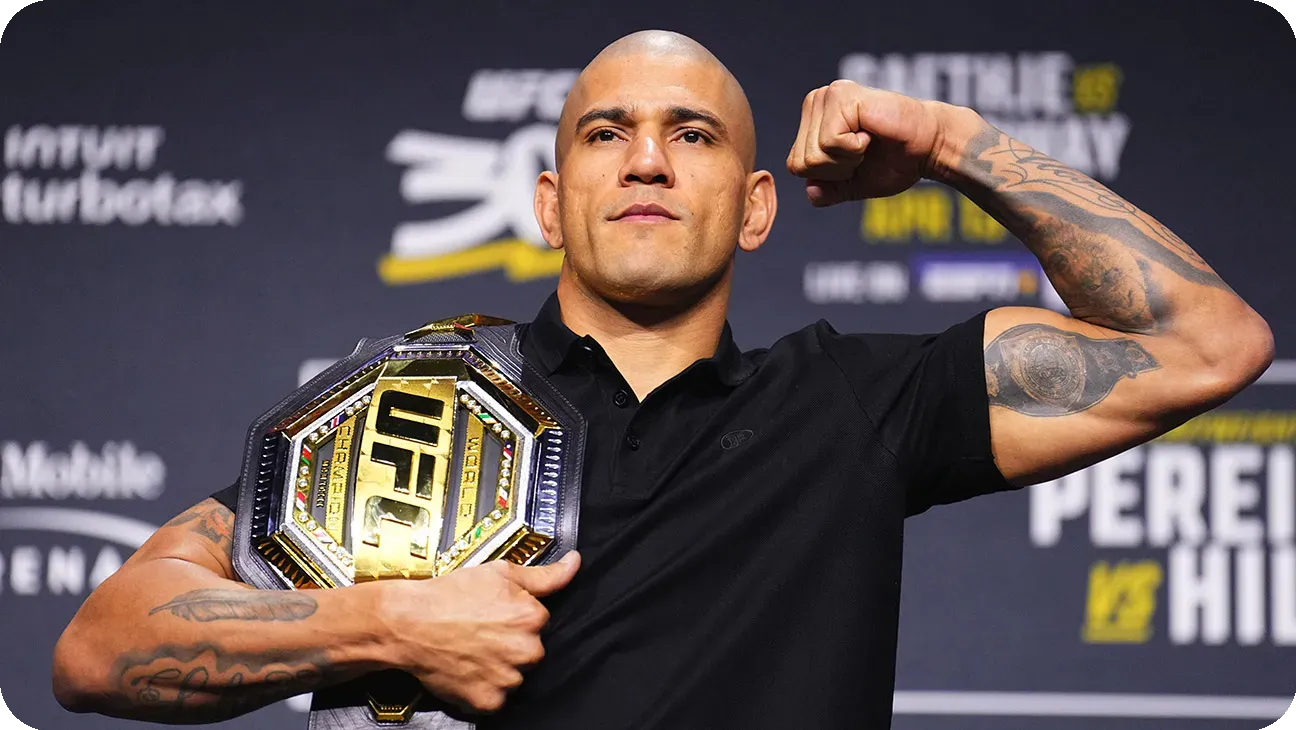
Becoming a Two-Division UFC Champion
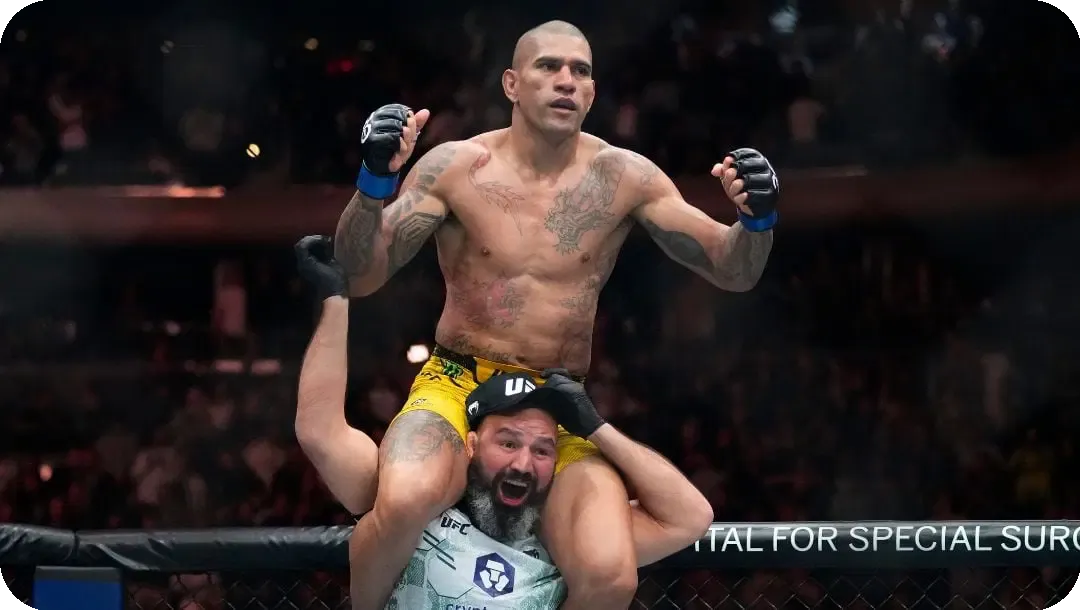
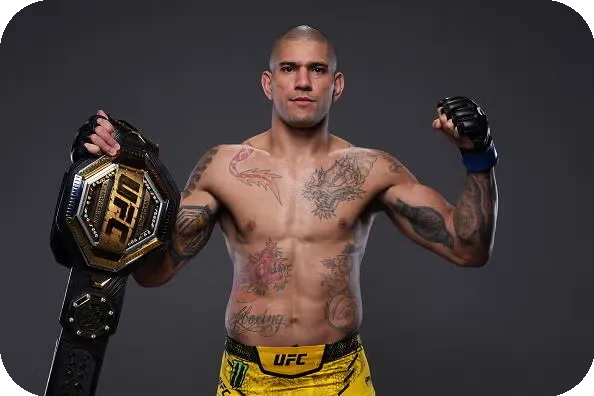
Not long after moving up, Pereira did at 205 what he’d done in kickboxing: he won the big one. Becoming a two-division UFC champion cemented his place in modern MMA lore. He did it with the same stripped-down ruthlessness—jabs that freeze opponents, low kicks that accumulate damage, and counters that shut lights off. Fans talk endlessly about alex pereira knockouts, and for good reason: they are exclamation points on carefully constructed sentences. The knockouts aren’t accidents; they’re the end state of consistent pressure, subtle traps, and perfect transfers of weight through the shot.

Personal Transformation
Overcoming Alcoholism
Pereira is vocal about his past with alcohol, not to perform vulnerability but to show others what change looks like. The discipline you see in camp—early mornings, clean food, meditative routines—extends from that decision to stop drinking. He replaced numbing habits with deliberate habits. It’s not a one-time fix; it’s a daily practice. When he speaks to young athletes, he’s frank: talent is nothing without structure. That honesty turns biographical detail into public service.
Influence of Indigenous Heritage
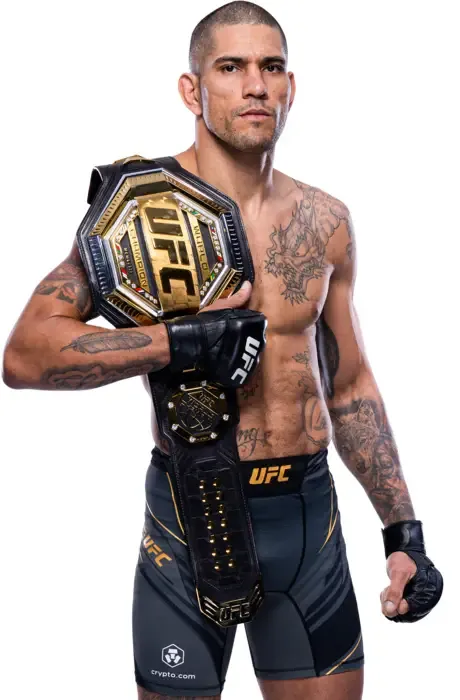
His Indigenous Pataxó identity continues to shape how he trains, competes, and celebrates. It shows up in his ceremonial gestures, his respect for elders, and his refusal to gloat. When outsiders reduce identity to a headline, Pereira counters with steady representation—pride without spectacle. In a sport that often prizes noise, he’s proof that quiet conviction can move arenas. Questions about alex pereira religion tend to circle back to this lived spirituality: connection to land, people, and practices rather than a label.
Relationship with Coach Glover Teixeira
Every great fighter has a great corner. Glover Teixeira—former UFC light heavyweight champion—became both mentor and blueprint. Glover knew the grind at 205, the wrestling and clinch games, the subtleties of fighting big men who can grapple. Together they built transitions that let Pereira get back to his feet, drilled anti-shots, and sharpened fence wrestling. They didn’t aim to transform him into a different archetype; they made him the best version of himself within MMA’s demands. That’s why Pereira rarely looks rushed. Even when grounded, there’s a plan: frames, hip escapes, wall-walks, and the composure to wait for the referee’s stand-ups or to create them.
Legacy and Influence
Impact on Brazilian Combat Sports
Brazilian combat sports have exported legends for decades—from Vale Tudo pioneers to modern jiu-jitsu kings. Pereira adds a unique chapter: a world-class kickboxer who crossed over and conquered in MMA at the highest level. He represents a lineage of striking that complements Brazil’s deep grappling heritage. For prospects in São Paulo, Bahia, or Manaus, his path proves you can arrive at the UFC summit without a traditional grappling base—provided you embrace the grind and build the right defensive layers. His visibility also reignited appreciation for kickboxing craft in MMA. You can see his fingerprints on a generation of Brazilian strikers who now prioritize range management, leg-kick economies, and disciplined shot selection.
Role Model for Young Fighters
For kids who google alex pereira nationality and find “Brazilian,” the word carries a fuller meaning thanks to him: Brazil as a country of many peoples, languages, and traditions. For those who search alex pereira stats and alex pereira record, the numbers are impressive; but the deeper lesson is how he earned them—one focused decision after another. He shows that setbacks don’t define you, responses do. He shows that strength is preparation, not posturing.